

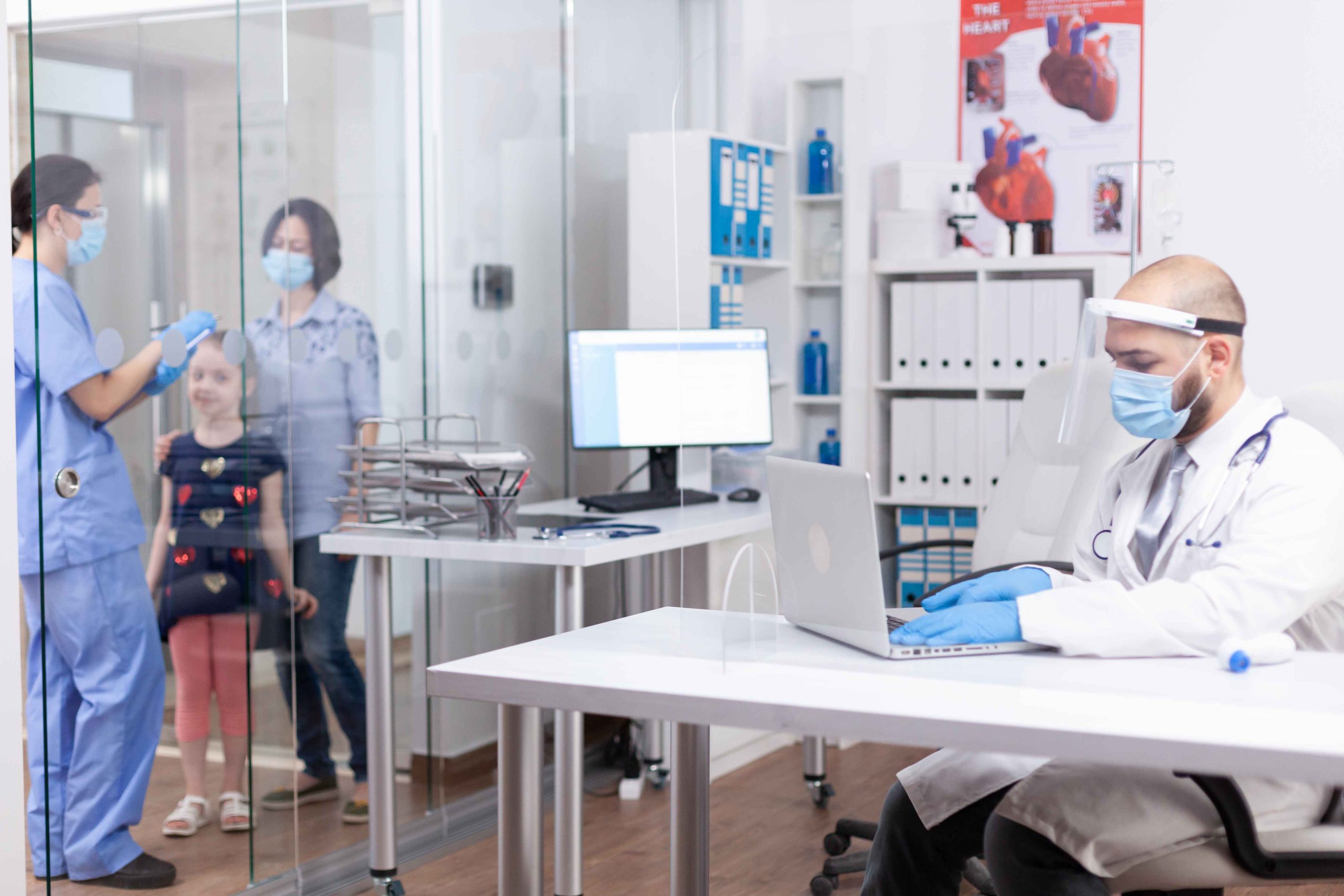
A safe working environment is essential for protecting clinic staff, patients, and visitors. Safety in clinical settings goes beyond physical conditions and includes policies, training, and culture.
Physical safety begins with well-maintained facilities. Clear walkways, adequate lighting, secure storage, and properly functioning equipment reduce the risk of accidents. Clinics should conduct routine safety inspections to identify hazards early.
Infection prevention is another critical component. Hand hygiene stations, proper waste disposal, and access to personal protective equipment support staff safety and patient protection.
Workplace violence prevention must be addressed. Clinics should establish protocols for handling aggressive behavior, including de-escalation training and clear reporting procedures. Staff must feel supported when raising safety concerns.
Ergonomic safety reduces injury risk. Adjustable workstations, proper seating, and safe lifting practices prevent strain and musculoskeletal injuries.
Emergency preparedness is essential. Staff should be trained on fire safety, evacuation plans, and medical emergency response. Regular drills reinforce readiness.
Psychological safety also matters. A respectful workplace where staff can speak openly without fear of retaliation supports wellbeing and error prevention.
Clear policies strengthen safety efforts. Written procedures outline expectations and provide guidance during incidents.
Leadership commitment drives safety culture. When leaders prioritize safety, staff are more likely to follow protocols and report concerns.
Creating a safe working environment requires ongoing effort. Clinics that invest in safety protect their workforce, reduce liability, and create stable environments where quality care can thrive.


Leave a Reply